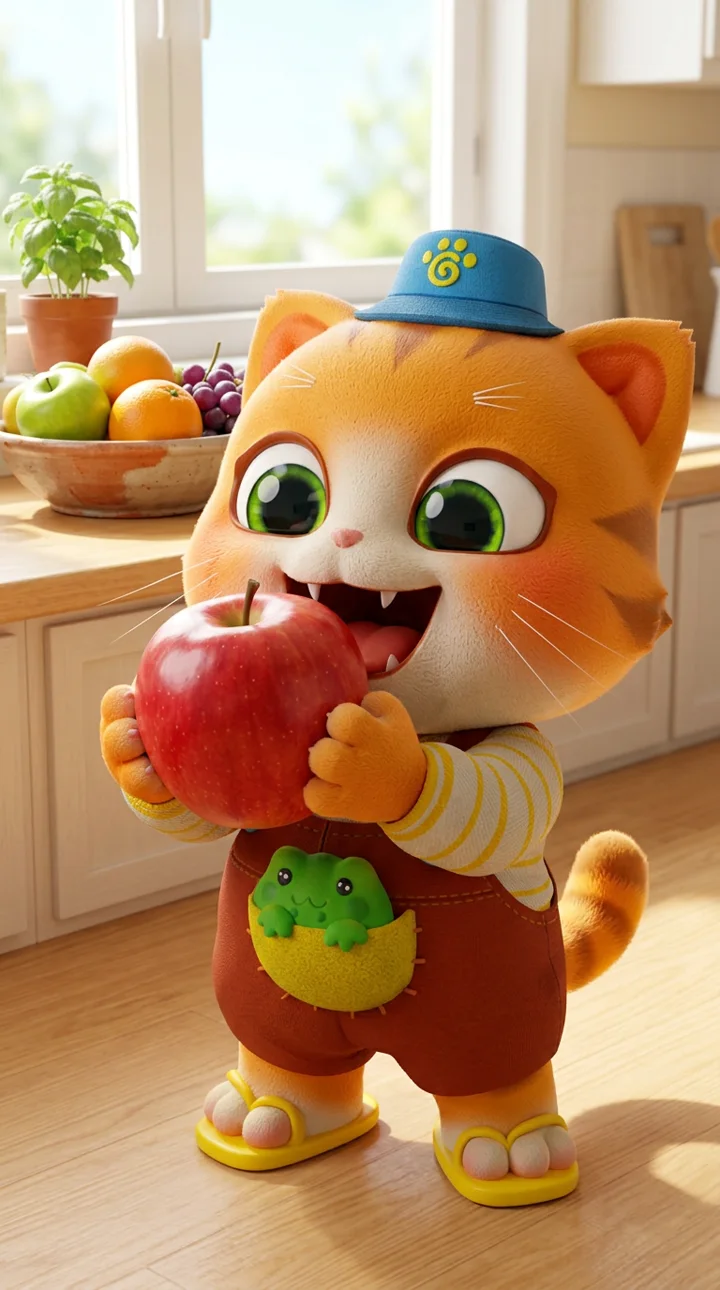
A mascot can make a company easier to recognize, but many mascots remain trapped in logos, packaging, or occasional campaign artwork. Digital mascot marketing expands that character into a living brand asset that can tell stories, present ideas, and meet audiences across channels.
The goal is not to replace the original mascot. It is to preserve what people recognize while increasing what the character can do.
What is a digital mascot?
A digital mascot is a brand-owned character prepared for repeatable digital performance. It can appear in still images, animated content, social posts, presentations, screens, live streams, and interactive experiences.
Unlike a one-off animated commercial, a digital mascot is designed as a persistent identity. Its appearance, movement, voice, behavior, and role are defined so each new appearance strengthens the same character.
Why mascots often lose momentum
Mascots are frequently introduced with a strong launch and then used inconsistently. One team changes the face, another changes the voice, and a seasonal campaign gives the character behavior that does not fit its personality.
This creates three problems:
- audiences receive mixed signals about who the character is;
- each campaign spends time rebuilding recognition;
- production becomes a series of isolated assets instead of a growing character world.
A digital mascot system solves this by separating the character's permanent identity from the flexible stories built around it.
The identity elements to protect
Visual recognition
List the features that make the mascot recognizable at a glance: silhouette, face, color, costume, scale, materials, and signature props. Decide which details can adapt and which must remain fixed.
Personality
Define a few specific traits and show how they appear in behavior. “Friendly” is too broad by itself. Friendly might mean patient explanations, open gestures, gentle humor, or curiosity about the audience.
Movement
A mascot's motion should feel branded. Speed, posture, gesture size, and expression timing can communicate personality before any dialogue begins.
Voice
Document vocabulary, tone, pace, humor, and topics. If the mascot does not speak, the same thinking can guide captions, sounds, and physical reactions.
Role
Clarify what the mascot does for the audience. A restaurant mascot may make food stories playful. A school mascot may encourage participation. A tourism mascot may guide people through places and culture.
Digital mascot content formats
A living mascot can support several connected formats:
- short character stories that build personality;
- product demonstrations where the mascot performs a useful action;
- educational moments that simplify a topic;
- event greetings and audience activities;
- seasonal scenes that fit the character's world;
- brand announcements presented in a recognizable voice;
- live streams and responsive screen experiences.
The formats should feel like different chapters of one identity, not different mascots sharing the same model.
Create a mascot content ladder
Begin with low-complexity, repeatable content that establishes behavior. Still images and short animated loops can introduce expressions, interests, and everyday routines.
Move next into recurring narrative formats. Once the audience understands the character, add brand stories and collaborations. Live interaction can become the highest-engagement layer because people already know who they are meeting.
This ladder connects NeoAvatar Content and NeoAvatar Live instead of treating them as separate campaigns.
Use cases by organization
Restaurants can use a mascot to turn menus, ingredients, and service moments into recognizable stories. Schools can create an encouraging character for learning and community events. Tourism organizations can build a guide that appears across digital media and physical destinations.
Corporate mascots can explain complex products in a more approachable way. Government and public-service mascots can support accessible educational communication when information is carefully reviewed.
The value always depends on fit: the mascot's role should answer a real communication need.
How to evaluate digital mascot marketing
Measure whether the mascot is becoming easier to recognize and more useful:
- name recognition in comments and conversations;
- visual consistency across teams and channels;
- repeat engagement with recurring formats;
- audience participation in character-led moments;
- production reuse without identity drift;
- the ability to connect a campaign with a longer character story.
Short-term reach matters, but long-term recognition is the compounding asset.
Digital mascot FAQ
Can an existing 2D mascot become a digital mascot?
Yes. Approved 2D references can guide a three-dimensional character that preserves the original proportions, colors, and personality.
Does a digital mascot require AI?
Not for every appearance. Planned animation, real-time performance, and contextual conversation are different capabilities. The right combination depends on the audience experience.
Can the mascot change outfits or environments?
Yes, as long as the changes follow the identity system. Flexibility should add stories without weakening recognition.
Make the mascot more capable of being itself
A successful digital mascot is not a technology demonstration. It is a familiar character with more ways to communicate.
Explore how NeoAvatar turns owned characters into content personalities and live presences.