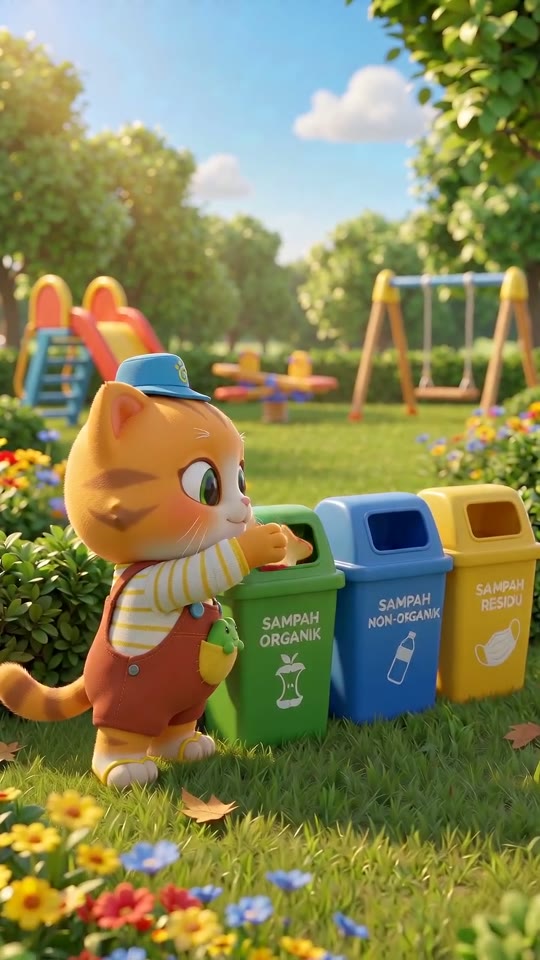
A well-designed character can make a new subject feel approachable. In education and museums, digital characters can guide attention, model curiosity, and connect information with a memorable personality.
Engagement, however, is not the same as learning. The character must support a clear objective rather than distract from it.
What role can a digital character play?
A character can serve as:
- a guide through a museum space or topic;
- a host for a learning activity;
- a curious learner who asks the audience questions;
- a storyteller connecting facts with a narrative;
- a mascot encouraging participation;
- a live character responding during a group session;
- a presenter for selected multilingual information.
The role should be easy for learners to understand. A character that sometimes teaches, sometimes jokes, and sometimes acts as an authority without clear boundaries can become confusing.
Why characters can support engagement
Characters give information a point of view. Instead of presenting a list of facts, the experience can follow what the character notices, wonders, attempts, or learns.
This can help:
- focus attention on a specific idea;
- make abstract information more concrete;
- create emotional continuity across lessons or exhibits;
- invite learners to predict, choose, or respond;
- connect online preparation with an on-site experience.
The character should not be used to make unsupported claims feel trustworthy. Accuracy and source review remain essential.
Design from the learning objective
Begin with what the audience should understand or do after the experience.
If the goal is to learn how to sort waste, the character can encounter several objects, make a thoughtful choice, and invite the audience to help. If the goal is historical interpretation, the character may guide attention to evidence while clearly distinguishing fact, uncertainty, and imagination.
Once the objective is clear, decide which actions and expressions make the explanation easier to follow.
Use interaction purposefully
Interaction works best when the response changes something meaningful.
Useful patterns include:
- choosing between two explanations;
- helping the character classify an object;
- predicting what happens next;
- asking a question within an approved topic;
- performing a group movement or response;
- guiding the character toward another part of a story.
Avoid interaction that exists only to trigger an animation. The audience should understand why its input matters.
Museums: connect character and place
A museum character can introduce a collection, guide families through selected objects, or appear at key points in an exhibition.
The character should direct attention back to the real artifact or environment. It is a guide to the experience, not a replacement for it.
Digital content before or after the visit can extend the relationship. A short story can prepare families for the exhibition, while follow-up content can revisit ideas introduced on-site.
Education: create continuity
In a school or learning program, a recurring character can make lessons feel connected. The same personality can appear in short videos, presentation segments, worksheets, and live group activities.
Consistency helps learners understand the character's role. It also allows educators to spend less time introducing a new format.
The material should remain accessible without depending on the character. Captions, clear narration, readable text, and alternative explanations support more learners.
Safeguards for younger audiences
When working with children, set strong boundaries around data, camera use, conversation, and persuasion. Avoid collecting unnecessary personal information. Make it clear when a character is digital and when a human is involved.
Content should be reviewed by appropriate educators or subject specialists. The character's warmth does not substitute for accuracy.
Digital character learning FAQ
Does a character improve every lesson?
No. Use it when personality, narrative, or interaction makes the objective clearer. Some information is better delivered directly.
Can the character answer open questions?
It can answer within carefully maintained subject boundaries. Complex, sensitive, or uncertain questions should be handed to an educator or guide.
Can one character work online and in a museum?
Yes. A consistent digital identity can connect pre-visit content, on-site interaction, and post-visit stories.
Make curiosity visible
The strongest educational character does not simply recite facts. It models how to notice, ask, test, and learn.
See how NeoAvatar combines character content with live presence.