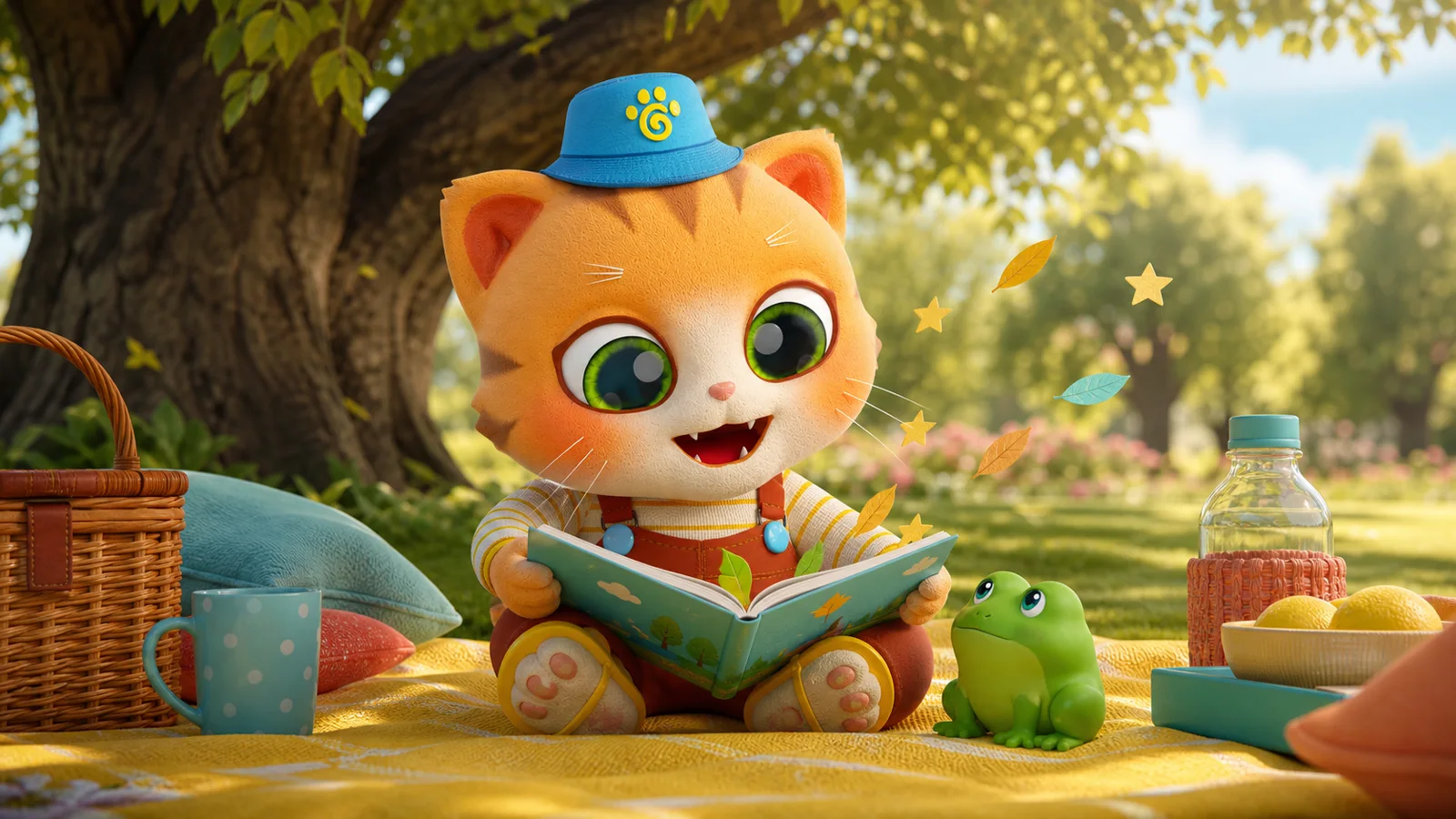
A branded character is most valuable when people can recognize it before they read the logo. That recognition comes from consistency: the same visual identity, personality, and emotional logic appearing across many stories.
The challenge is scale. A single polished animation can create attention, but a living character brand needs a repeatable stream of moments. AI-powered 3D character content can support that rhythm when it is built around a strong character system rather than a collection of unrelated outputs.
NeoAvatar Content is designed to turn owned character IP into a personality that can keep telling stories.
What is AI-powered 3D character content?
AI-powered 3D character content combines a reusable three-dimensional character with assisted creative production to make branded images, animated scenes, and short-form stories more repeatable.
The phrase is often misunderstood as a prompt producing a finished mascot video by itself. For established character IP, that approach is too unpredictable. A useful content system needs to preserve the parts audiences recognize:
- face and proportions;
- signature colors and clothing;
- movement and expression;
- personality and tone;
- relationships, environments, and recurring themes;
- rules about what the character would and would not do.
AI can support ideation and production, but identity remains the creative anchor.
Why consistency matters more than volume
Publishing more often is not automatically valuable. If the character changes face, mood, voice, or behavior from one post to the next, frequency can make the brand less coherent.
Consistency does not mean repetition. Oyen can prepare breakfast in one scene, solve a small problem in another, and meet an audience live in a third. The actions change while the underlying personality remains familiar.
A consistent character world helps audiences:
- recognize the character quickly;
- understand its emotional tone;
- anticipate the kind of experience it offers;
- connect separate posts as part of one continuing identity;
- trust that a new format still belongs to the same brand.
This is why the most important question is not “How many videos can we make?” It is “How many different stories can this character tell while still feeling unmistakably itself?”
Build the character system before the content calendar
A content calendar schedules outputs. A character system defines what makes those outputs coherent.
Visual identity
Create a clear reference for silhouette, face, materials, clothing, scale, color, and signature details. Document what can change and what must remain constant. A seasonal costume may be flexible; the proportions that make the character recognizable may not be.
Emotional range
Decide how the character expresses curiosity, surprise, confidence, frustration, and joy. A useful range creates storytelling flexibility without changing the character's nature.
Movement language
Motion is branding. A playful character may lead with quick turns and open gestures. A reassuring character may use slower pacing and softer poses. These decisions should follow the personality rather than generic animation habits.
Voice and point of view
Define vocabulary, humor, sentence length, subjects of interest, and the relationship the character has with the audience. The character should have a point of view, not just a visual appearance.
Story boundaries
Specify the subjects, claims, and behaviors that require approval or are outside the character's role. This protects both brand safety and audience expectations.
A repeatable content model for character IP
Once the character system is clear, production can be organized around reusable story structures.
Everyday character moments
Simple actions such as preparing food, choosing an outfit, taking a break, or reacting to a small surprise are effective because they reveal personality. The story does not need to be complex if the performance is specific.
Recurring formats
A recognizable series gives the audience a reason to return. Examples include a weekly discovery, a short learning moment, a behind-the-scenes routine, or a recurring challenge. The format provides structure while each episode introduces a new detail.
Cultural and seasonal moments
A character can participate in relevant celebrations or themes when the adaptation fits its established world. The creative decision should begin with the character's genuine response, not simply placing it beside a trend.
Product and brand stories
Products can become part of an action or narrative instead of being held up as a disconnected prop. The character's behavior should explain why the product belongs in the scene.
Audience-led stories
Questions, reactions, and popular themes can inform future episodes. When content is connected with NeoAvatar Live, an audience interaction can become the beginning of a new story rather than the end of an event.
One system, different character personalities
The production approach should serve the character, not force every IP into the same visual formula.

Le Moo, a character from Lighthouse Clinic, calls for a different emotional texture from Oyen. Warmth, pacing, environment, and performance can adapt to Le Moo's personality while the underlying goal remains the same: preserve a recognizable identity across still images and animated content.
That distinction is important. A scalable content system should make each character more specific, not make every character look or behave alike.
From campaign mascot to virtual influencer
A virtual influencer is not created by adding a social-media account to a 3D model. Influence develops when a character has a consistent presence, a recognizable perspective, and reasons for people to follow its next appearance.
For owned IP, that presence can grow in stages:
- establish the character's visual and behavioral rules;
- publish recurring story formats;
- learn which aspects of the personality audiences respond to;
- expand into partnerships or brand ambassador roles that fit the character;
- connect produced content with live appearances and community interaction.
This approach allows the character to earn familiarity instead of pretending that reach exists from the first post.
How to evaluate character content
Useful measurement should reflect the purpose of the character. Depending on the channel and format, that may include:
- completion and rewatch behavior for short-form stories;
- saves and shares that indicate the content has value beyond a first view;
- comments that reference the character by name or personality;
- recognition across different formats;
- consistency of production without visual identity drift;
- audience participation when content connects to a live experience.
Avoid evaluating every post only as an advertisement. Some content builds familiarity, some explains, some entertains, and some invites action. Together they create the brand world.
A practical starting checklist
Before producing a repeatable character series, prepare:
- approved character references and ownership details;
- a one-page personality guide;
- visual elements that must never change;
- three to five repeatable story themes;
- a clear primary audience and channel;
- review rules for brand, legal, and subject-matter accuracy;
- a plan for how successful moments can expand into live or interactive formats.
Begin with a focused set of stories. Use what the audience learns and remembers to guide expansion.
AI-powered character content FAQ
Will AI change how our character looks?
It should not change the approved identity. AI-assisted work needs references, review, and a stable 3D character foundation so experimentation happens around the character rather than replacing it.
Is 3D character content only for social media?
No. The same character identity can support advertising, presentations, screens, educational material, event visuals, and live experiences. Social content is one part of a broader digital presence.
Can content remain brand-safe at a higher publishing rhythm?
Yes, when the team defines visual, personality, subject, and approval rules before scaling. Repeatability comes from a clear system, not from removing review.
Do we need a completely new character?
No. NeoAvatar is designed for existing owned character IP as well as new character development. Approved 2D artwork and brand guidance can provide the foundation for a consistent 3D presence.
Build a world audiences can recognize
The opportunity in AI-powered 3D animation is not simply faster output. It is the ability to give a character enough continuity to live across stories, channels, and audience moments.
A character with a stable identity can become a content personality. A content personality can become a live presence. Together, those capabilities turn character IP into a world people can recognize and return to.